
You don’t need to have it all figured out before you begin.
Therapy can be a space to pause, become curious about what’s happening for you, and begin to understand yourself a little differently.
You might arrive knowing exactly what you want to talk about. Or you may simply have a sense that something doesn’t feel quite right. You don’t need a diagnosis, a crisis or even the words to explain it. Sometimes, a willingness to explore is enough.
Therapy isn’t only about fixing something
There can be an assumption that therapy is something we turn to when something has gone seriously wrong, or when we have reached a point where we can no longer cope.
It can be that. But it doesn’t have to be.
You may be functioning well on the outside while feeling overwhelmed, stuck, disconnected or highly self-critical underneath. You might notice the same patterns appearing in different parts of your life, find yourself questioning who you are or what you want, or simply feel curious about yourself and the way you experience the world.
Therapy doesn’t require you to arrive with a clearly defined problem to solve. It can offer space to slow things down, notice what is happening and explore what might sit beneath it.

Therapy can be exploration, not repair.
Your experience doesn’t have to fit neatly into a category.

There’s no right reason to come to therapy.
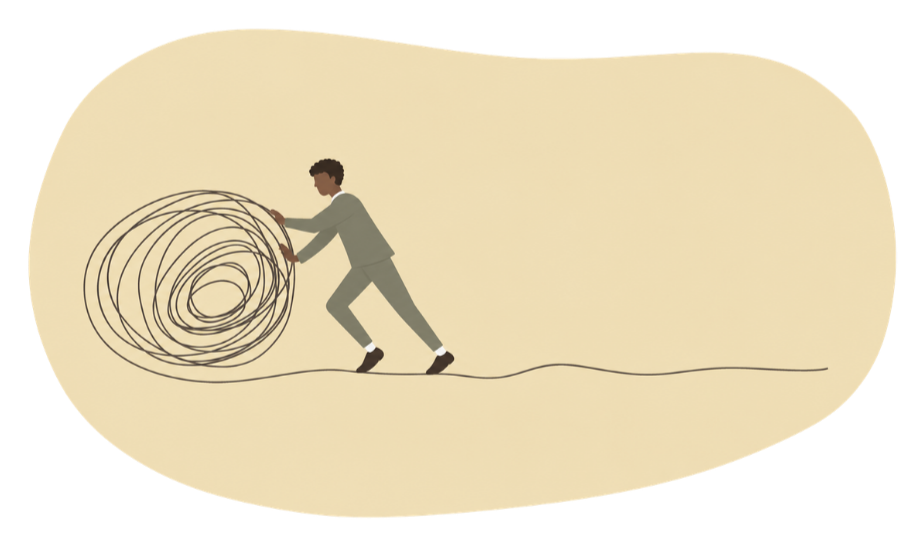
What might we explore?
What brings you to therapy will be individual to you. These aren’t specialist services or labels you need to identify with, but some of the things that might find their way into the room include:
Repeating patterns
Feeling overwhelmed or stuck
Relationships
Grief & loss
Neurodivergence
Change & transition
Burnout
Identity & self-understanding
Boundaries
Overthinking
How I work
I work integratively and with curiosity, drawing on a range of therapeutic approaches to meet you where you are.
Integrative therapy recognises that there is no single way of working that will suit everyone. I see you as a whole person — your thoughts, feelings, behaviours, relationships, experiences and the world around you — rather than simply focusing on a particular difficulty or diagnosis.
This means our work is shaped around you, your individual circumstances and what feels helpful, rather than expecting you to fit into one particular model.
My approach is relational and exploratory. Together, we might consider why we are the way we are, how our experiences shape us, how relationships influence us and how greater understanding can create opportunities for change.
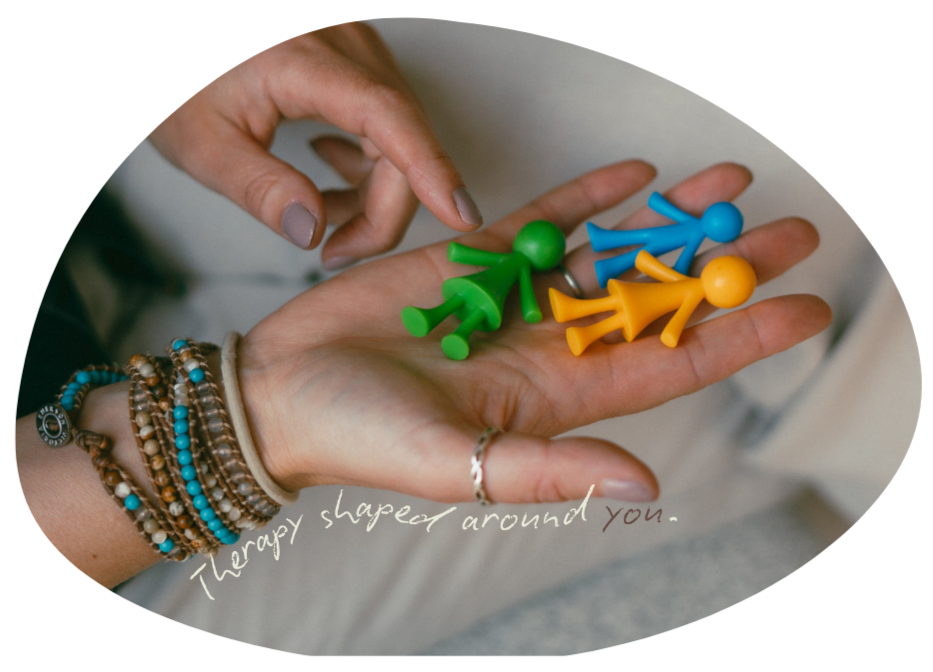
Different ways of working
There is no single formula for therapy. These are some of the ideas that shape how I work and how we might begin to understand your experiences together.
Integrative
Looking at the whole person.
Therapy shaped around you, rather than asking you to fit into one particular approach.
Explore →Seeing the bigger picture
Our thoughts, feelings, behaviours, relationships, experiences and environments are interconnected.
Working integratively means I can draw on ideas and techniques from different therapeutic approaches depending on what you bring and what feels helpful to you.
We can discover together what you need from therapy rather than assuming we already know.
Relational
Exploring how we relate.
Our experiences and relationships can influence how we see ourselves, others and the world around us.
Explore →A relationship we build together
I see therapy as a collaborative process — a space where we can slow things down, become curious about what’s going on for you and gently explore the experiences, relationships and patterns that may be shaping how you feel and respond to life.
I’ll offer you a warm, accepting and non-judgemental space where you can feel heard, understood and able to be yourself.
Transactional Analysis
Understanding the patterns beneath the surface.
Transactional Analysis (TA) can help us explore how earlier experiences and relationships may influence the way we think, feel and respond today.
Explore →Looking a little deeper
We might gently explore the different parts of ourselves that come into play in different situations — perhaps when we feel criticised, overwhelmed, responsible for everyone else or unsure of ourselves.
Transactional Analysis can help us become more aware of these patterns and understand where they may have come from, creating space to respond differently and make choices that feel more helpful.
TA isn’t a formula you have to fit into. It is one of the ways I may help you make sense of your experiences, collaboratively and at your pace.
What does therapy actually look like?
There’s no test, no right answers and definitely no need to arrive with your life neatly organised into chapters.
Some people know exactly what they want to talk about. Others simply know that something doesn’t feel right.
We can start wherever feels comfortable and gently explore what is happening for you. I may offer observations, questions or different ways of looking at something, but I won’t tell you who you should be or what you should do. You remain the expert in your own life.
And if the most useful starting point is simply, “I’m not really sure where to begin,” we can start there.
Therapy isn't just about talking things through. With trust comes the opportunity for gentle challenge too.

Who I work with
Is The Explore Method right for me?
I currently offer one-to-one therapy for adults, with sessions available both in person and online.
You don’t need to have reached crisis point or have a particular diagnosis to come to therapy. You might feel overwhelmed, stuck or disconnected; find yourself repeating familiar patterns; be navigating relationships, identity, boundaries, grief, change or burnout; or simply want to understand yourself more deeply.
You don't need to know exactly what the problem is or have a label for it. We can begin by exploring what's on your mind.

I may not be the right therapist for you
Finding the right support matters
Sometimes, through our initial conversation or our work together, it may become clear that you would benefit from a different kind of support or from working with someone who has more specialist experience in a particular area.
My responsibility is to work within my level of training, experience and competence, rather than trying to be the right therapist for everyone.
If I feel another form of support would be more appropriate, we will talk about this openly and honestly. Where appropriate, I can help you think through your options and, with your agreement, support you in finding a more suitable service or practitioner.

Confidentiality
A private space to explore
What you share with me is treated as confidential. Creating a safe and private space where you can speak honestly and without fear of judgement is an important part of therapy.
There are some professional and legal limits to confidentiality. I’ll explain these clearly when we begin working together, so you understand how confidentiality works and know what to expect.

Growth starts with getting a little messy
Sometimes the bravest thing is asking for space to think
If something you've read resonates with you, you're welcome to get in touch. We can start with a conversation about what has brought you here and whether working together feels right for you.